Tax-Free
Roth IRA, Roth 401(k), HSA
Growth you never want taxed
- Highest expected return holdings
- Small cap and emerging markets
- Anything with decades to compound
Services
Investments, cash flow, taxes, and giving aren't separate problems. The decision you make in one shows up in the other three. That is why we plan them as a single system rather than four.
01
How your money is invested should be the least surprising part of your financial plan. We don't chase managers, time markets, or take risks you aren't paid for. We build low-cost, broadly diversified portfolios grounded in decades of academic research. Then we stay out of their way, so your attention can go to the decisions that actually move the needle.
Markets exist to move capital toward its most productive use, and investors who supply that capital have historically been compensated for it. Not evenly, and not on any schedule. Over long horizons, however, that compensation has persisted.
The Long View
1926-07 through 2026-07, compounded monthly
Sources: Kenneth R. French Data Library, Tuck School of Business at Dartmouth (equity and Treasury bill returns); U.S. Bureau of Labor Statistics via FRED, series CPIAUCNS (inflation).
By the time news reaches you, it has already reached everyone else and moved the price. Current prices reflect what the entire market collectively knows and expects. We treat those prices as fair information rather than a puzzle to solve.
A prediction-based strategy means betting you've seen something that the entire market, including every analyst, fund manager, and algorithm with a full-time interest in being right, has collectively missed. Some people pull that off. Very few pull it off repeatedly, and almost nobody does it reliably enough to bet a retirement on. We'd rather build around evidence than around a hunch.
| Category | Funds at start | Survived | Outperformed |
|---|---|---|---|
| Equity | 3,000 | 45% | 12% |
| Fixed Income | 1,607 | 46% | 17% |
Decades of research, some of it Nobel-recognized, points to a handful of characteristics that have historically been associated with higher expected returns: how small a company is, how cheaply it's priced, and how profitable it is. We build portfolios that lean toward those characteristics deliberately, and weigh that tilt against cost and diversification rather than chasing it at any price.
Higher expected returns require investors to accept greater uncertainty and a wider range of possible outcomes. That uncertainty is not a flaw to eliminate; it is part of how markets reward investors for taking risk. The right level of risk is one your plan, timeline, and behavior can absorb without forcing a change at the wrong time.
| Profile | Relative expected return | Relative range of outcomes |
|---|---|---|
| Conservative | 30 of 100 | 7 of 100 |
| Moderately Conservative | 47 of 100 | 14 of 100 |
| Moderate | 60 of 100 | 23 of 100 |
| Moderately Aggressive | 69 of 100 | 33 of 100 |
| Aggressive | 75 of 100 | 45 of 100 |
There's no reliable way to know which country, sector, or company will lead over the next decade. Owning a broad slice of all of them means you don't have to. It also means no single bad outcome anywhere is large enough to derail what you're building toward.
S&P 500 Index
MSCI ACWI Investable Market Index (IMI)
Your home market, included
The global portfolio isn't an alternative to your home market. It holds your home market, plus everything else.
The same fund in a Roth, a brokerage account, and a traditional IRA produces three different after-tax outcomes. Assets that throw off taxable income generally belong in sheltered accounts; assets that grow quietly or that you may donate are often better held where they're exposed. It's an unglamorous decision that compounds for decades.
Each account type is taxed differently. Matching the right holdings to the right account doesn't change what you own; it changes what's left after taxes.
Roth IRA, Roth 401(k), HSA
Growth you never want taxed
Traditional IRA, 401(k)
Income you'd rather not pay tax on today
Brokerage, joint, trust
Assets with flexibility built in
General principles only. The right placement depends on your income, time horizon, and goals.
Selling an appreciated investment triggers capital gains tax. Giving those same shares directly to a charity generally doesn't. You can also typically deduct their full market value. Same gift, same cost to you, two tax benefits instead of none.
| Option AGive CashWrite a check, keep the stock | Option BDonate Stock & ReplenishGive the shares, rebuy with the cash | |
|---|---|---|
| Out of your pocket | $15,000 | $15,000used to buy replacement shares |
| Charity receives | $15,000 | $15,000 |
| Capital gains tax | Still owed when you sell | $1,000 avoided |
| Your cost basis after | $10,000unchanged | $15,000reset to current market value |
Write a check, keep the stock
Give the shares, rebuy with the cash
Hypothetical example for illustration only. Assumes long-term appreciated shares held more than one year. Actual results depend on your holding period, income, deduction limits, and applicable law. Not tax advice.
Your objectives, target allocation, risk tolerance, and constraints go in writing before a dollar is invested. When markets get ugly, as they will, the question stops being "what should I do?" and becomes "what did we already decide?"
Without a plan
What should I do?
Asked at the worst possible moment.
With a plan
What did we already decide?
Answered months ago, calmly.
A portfolio isn't a scoreboard. It's a tool with a job: funding a retirement, a gift, a building, or a year off. The right allocation isn't the one with the best numbers. It's the one that gets your specific money to your specific goals on your specific timeline.
It's the first question, and most investment conversations skip it. A dollar you'll need in three years and a dollar you'll give away in twenty aren't the same dollar, so they shouldn't be invested the same way.
Next 3 years
Held where it will still be there. Stability matters more than growth.
3 to 10 years
Balanced. Enough growth to matter, enough ballast to survive a bad stretch.
10 years and beyond
Invested for growth. Time is the one advantage you can't buy back.
Markets will do what they do. Fees, turnover, taxes, diversification, and discipline are the parts of the outcome you actually get a vote on. They compound in the same direction, year after year, whether or not it's been a good year for stocks.
You control
You don't
Spend your energy on the left.
02
“We don't rise to the level of our goals. We fall to the level of our systems.”
Most people don't overspend because they lack discipline. They overspend because nothing in their setup tells them what's actually available. A cash flow system answers that question before you have to ask it. Money moves to reserves, taxes, giving, and investments automatically, and what's left is genuinely yours to spend.
03
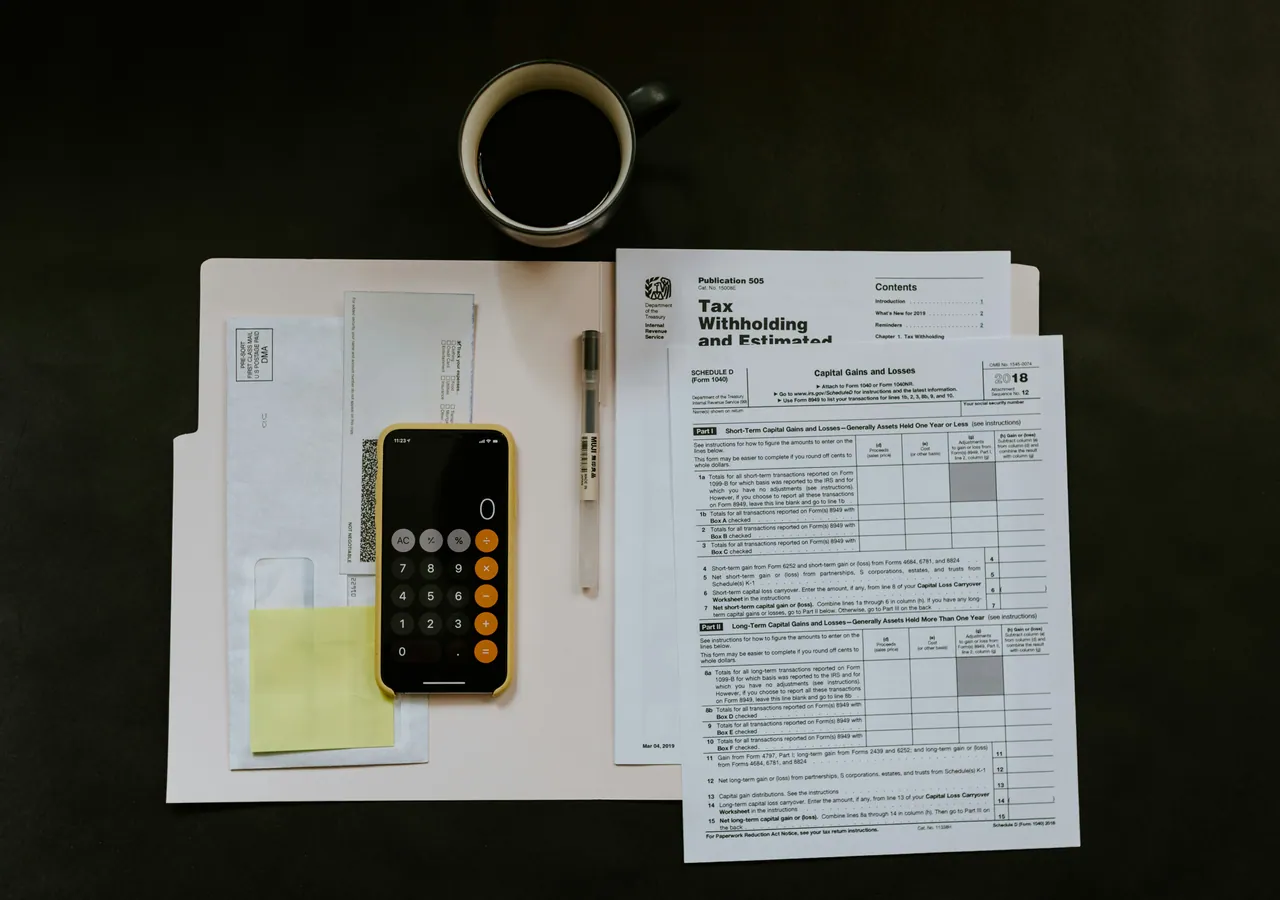
Taxes are one of the largest expenses most households and business owners will ever pay, and one of the few you can plan around. That planning happens throughout the year, not in April. We look at how your income is structured, where your assets are held, and how your giving is timed, so the moves are already in place when they can still make a difference.
Coordinate what you give, when you give, and which assets you use so generosity fits into the broader tax plan.
Review deductions and their timing to determine when itemizing may be more beneficial than taking the standard deduction.
Align contributions, account types, and future withdrawals with current needs and long-term tax goals.
Consider how an entity’s tax treatment affects owner compensation, benefits, and cash flow in coordination with your tax and legal professionals.
Account for how different kinds of income are taxed when evaluating sales, distributions, and investment decisions.
Organize assets across account types based on tax treatment, liquidity needs, and the role each asset serves in the plan.
Review how business income, entity structure, and retirement contributions may interact with the qualified business income deduction.
Coordinate depreciation, gains and losses, ownership decisions, and property cash flow as part of the overall plan.
04